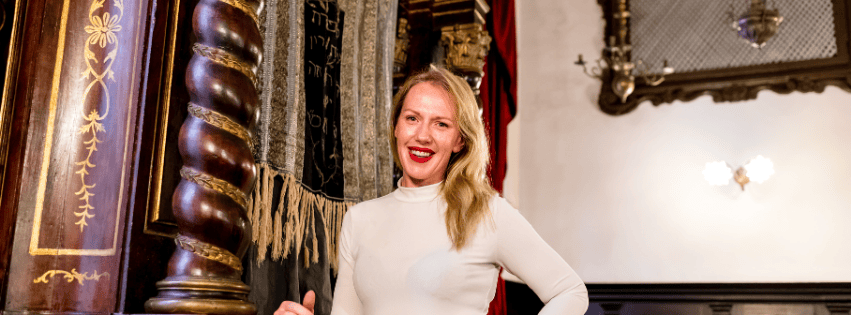
The 16th-Century Heart of the Ghetto: A Story of Resilience
While many general guides mention the 14th century as the starting point of the Jewish community in Dubrovnik, the true architectural and legal foundation of the Synagogue in Žudioska Street dates to 1548. This was the year the Dubrovnik Republic officially allowed the establishment of a house of worship within the designated Ghetto walls.
As you step inside, you aren’t just entering a museum; you are entering a space that has defied the odds for centuries. The interior reflects a delicate balance of Gothic and Baroque styles, characterized by a stunning wrought-iron bimah and a sanctuary that escaped the catastrophic Great Earthquake of 1667.
The most moving part of the story, which I always share with my guests, is the survival of its treasures. The precious 13th and 14th-century Torah scrolls and silver ritual items were hidden during World War II to protect them from Nazi occupation, and again shielded from the shelling of the city in the 1990s. This building isn’t just about stone and mortar—it is about the unwavering spirit of the Sephardic families who turned these narrow alleys into a haven of faith and trade.
Expert Insights: Dubrovnik Jewish Heritage
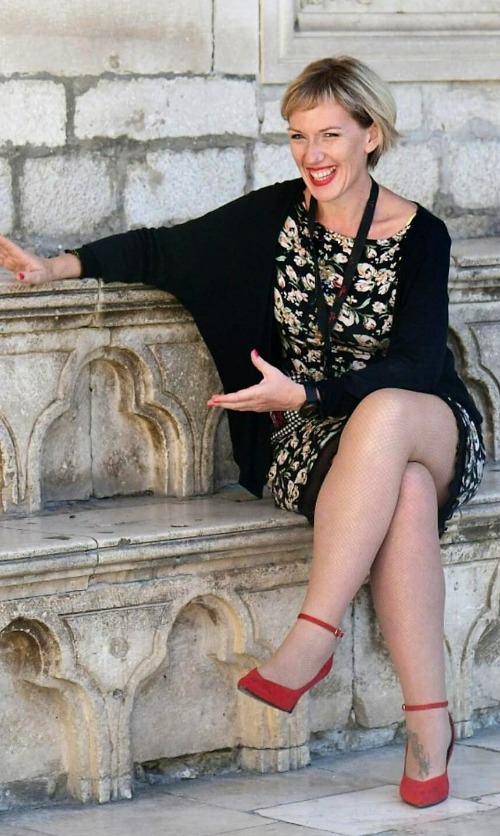
I’m Vesna, your Dubrovnik Insider
Born and raised within these ancient walls, I have the 16th-century Sephardic history in my “little finger.” For me, the Ghetto is more than a street—it’s a story of survival and heritage that I am honored to share with you.